
Valeria Salgado Sankovich, a Colombian of Croatian descent, spent two weeks getting to know Croatia as part of the Eco Heritage Task Force program—an initiative by the Croatian Heritage Foundation aimed at young Croatians from the diaspora, designed to bring them closer to their roots, introduce them to Croatian culture, and strengthen their connection with the land of their ancestors.
18:51 / 19.09.2026.
Author: David Rey
Volunteer work in Gospić: a return to roots
Author:
David Rey
Published:
September 19, 2026, 18:51
Volunteering in Gospić
Foto: Valeria Salgado / VOC


The island of Rab
Foto: Valeria Salgado / VOC
“I arrived in Gospić not knowing what to expect. There were twenty-five of us young people from various parts of the world. Although our stories differed, we shared something in common: a connection to Croatia and a desire to discover what it truly means to be part of a community that—through our families—has been present in the lives of many of us for generations.
During our stay, we were accommodated in a student dorm in Gospić. Soon, that place was no longer just a space to stay, but began to resemble a small home. We ate breakfast together, talked, shared our fatigue, laughter, and plans; little by little, we told stories about the countries we come from and how each of us nurtures our Croatian heritage from afar.
The program included volunteering, cultural immersion, language learning, gastronomy, and tourism. I believe it was precisely this combination that made the experience so special. One of our first activities was working at a nursing home in Gospić. This was not a volunteer engagement that involved direct interaction with the residents; instead, our contribution consisted of remodeling and renovating the spaces that made up part of their daily lives.
We also dedicated one day to cleaning a local river. It was one of those days where work intertwined with adventure. The view of the landscape from the water—being surrounded by nature and sharing that moment with the whole group—turned this volunteer activity into a memory I will surely cherish for a long time. However, my favorite activity was restoring a park near the school where we attended classes,” says the Colombian of Croatian descent.
Galerija
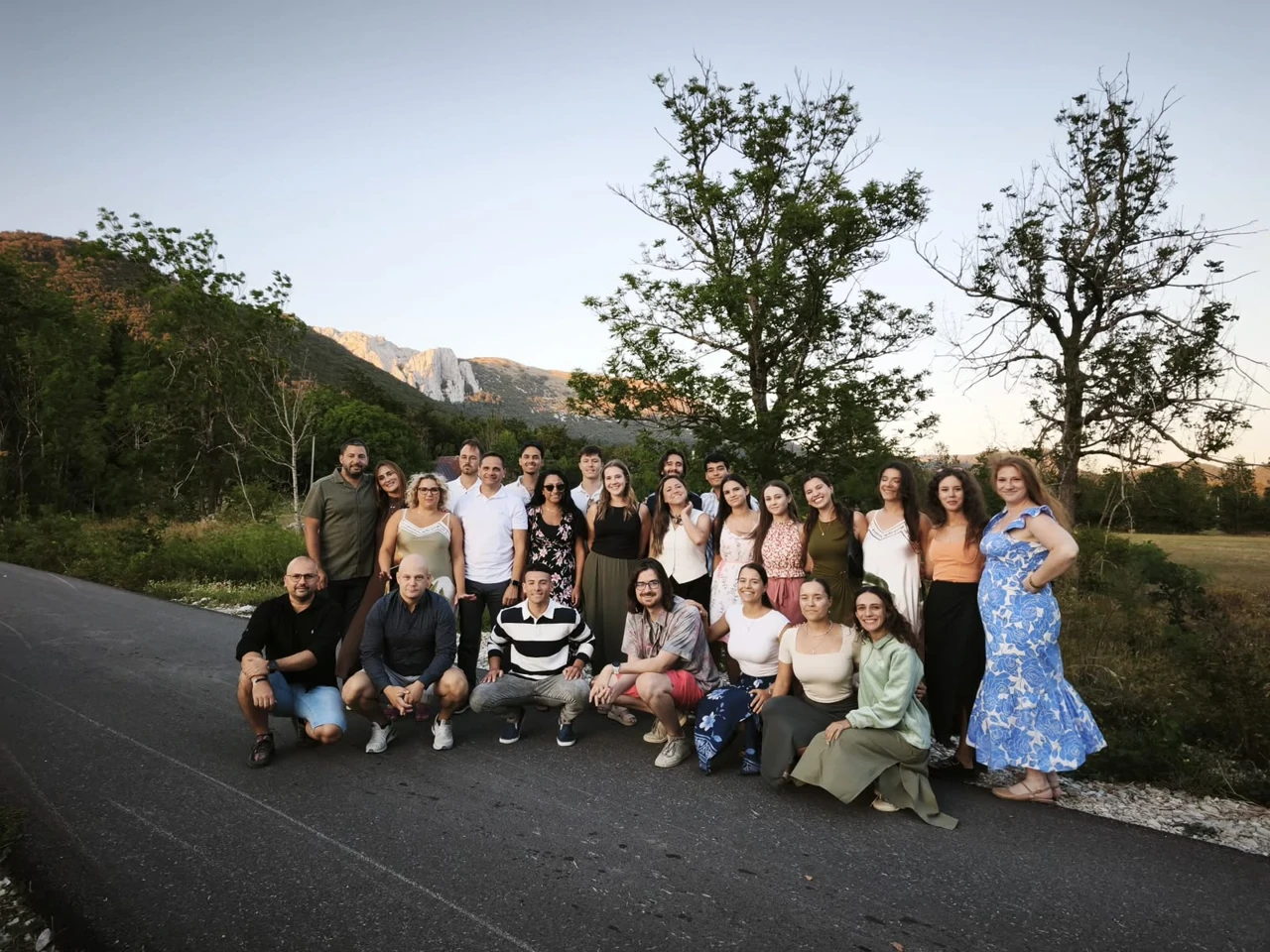
The volunteers had the opportunity to get to know Croatia through its language and cuisine, as well as through a firsthand experience of the country.
“During the Croatian language classes, our teacher Viktorija guided us through our first steps in mastering the language. We learned some basic grammatical structures. For those of us living outside of Croatia, learning the language has a special meaning: we feel that every new word brings us closer—if only a little—to a part of our family history. Culinary workshops with Tomislav were also organized, which quickly became one of the most anticipated activities. We prepared various traditional dishes and recipes. Discovering Croatian cuisine in this way—not just tasting the dishes, but preparing them ourselves—was another way of getting to know the culture and connecting with it.
Our experience also led us to discover some of the landscapes, towns, and historical sites that make this part of the country so special.
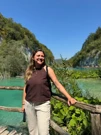
We visited Bunić, where we saw a memorial dedicated to Operation Storm; we toured the beautiful Plitvice Lakes; enjoyed the coast in Karlobag; visited the museum dedicated to Nikola Tesla; went to the island of Rab and Pudarica beach; explored Zadar and also stopped in Sveti Juraj. Every place had its own story. For me, Plitvice Lakes was one of the most impressive and beautiful parts of the trip. Even without choosing the longest trail, it was hard to believe that what I was seeing was real. The water, the colors, the waterfalls, and the surrounding nature looked like a scene from a photograph. I caught myself thinking that I would love to return one day and experience the lakes in different seasons to see how the landscape changes,” Valeria points out.
Galerija
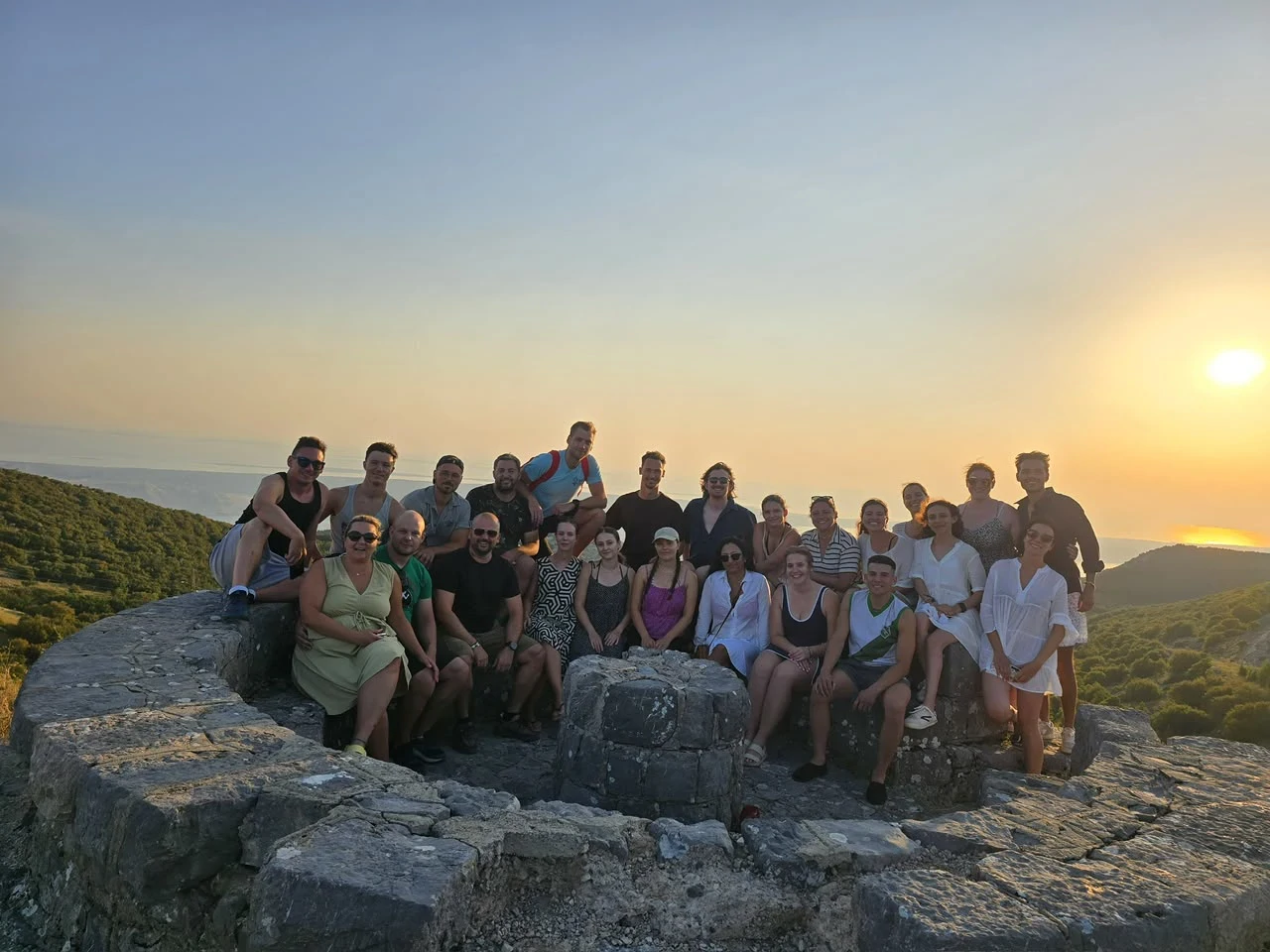
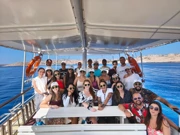
They also experienced many simpler moments that proved to be just as special.
“Our first excursion to Karlobag felt like our first true group trip together: the beach, the cold sea, mountains in the background, and about twenty people enjoying a few hours together by the sea. We didn’t need much more than that. However, if I had to choose a favorite place, it would probably be the island of Rab. I experienced it as a beautiful, peaceful, and authentically European island. The sea was spectacular, and we had the opportunity to jump into the water directly from the boat; it was one of those spontaneous moments that end up becoming the most beautiful memories of a trip.
Yet, in the end, I believe the locations were only one part of the experience. What truly made the Eco Heritage Task Force initiative special was the people. Meeting young Croatians living in various parts of the world allowed me to discover how our relationship with Croatia can differ significantly depending on where we grew up. We heard stories about how Croatian communities function in other countries, how they nurture their traditions, and how they strive to pass their culture on to new generations.
This was particularly inspiring to me. I got many ideas that I would like to put into practice in Colombia through the Chamber of Commerce, with the aim of further strengthening and connecting our Croatian community. I also got to know myself better; as a Colombian, the value of togetherness and the desire to help others are deeply ingrained in me,” the young Colombian emphasizes.
Galerija
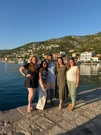
Valeria confirmed that participating in humanitarian activities is also a way of nurturing one's own happiness.
“I discovered that I love to travel, but that I enjoy it far more when there is a story, a culture, and a special reason for my stay behind each place. For me, that reason has an even deeper meaning: it is about the heritage left to me by my grandfather and the connection to a country that—despite spending most of my life far away from it—I somehow always felt was also a part of me. When it came time to say goodbye, I felt sadness. In a very short time, we formed strong friendships, and I didn't want this small community we created to fall apart.
It seemed strange to think that only two weeks had passed, because the richness of the experiences, conversations, places, and memories created the impression that we had spent much more time together. At the same time, I felt great gratitude: gratitude for the opportunity to get to know a part of Croatia that I probably wouldn't have discovered in the same way if I had traveled as a tourist; for the work, the cooking, the road trips, swimming in the Adriatic Sea, the new words I learned, and the stories of people who—despite living thousands of miles away—shared a part of their roots with me.
Two weeks were enough to create a much deeper connection with Croatia, although they certainly weren't enough to discover everything this country has to offer. Therefore, if you are thinking about participating in the upcoming Eco Heritage Task Force program, my advice is simple: do not hesitate. It will be a unique experience. Every year brings new people, new stories, and new adventures. You will discover Croatian culture, nature, and history in a way that is hard to experience as a tourist.
However, one warning: be careful, because you could very easily fall in love with Croatia and want to stay. That is what happened to me,” concludes the Colombian Valeria Salgado Sankovich.
Source: Voice of Croatia
Translated by Branko Lozančić

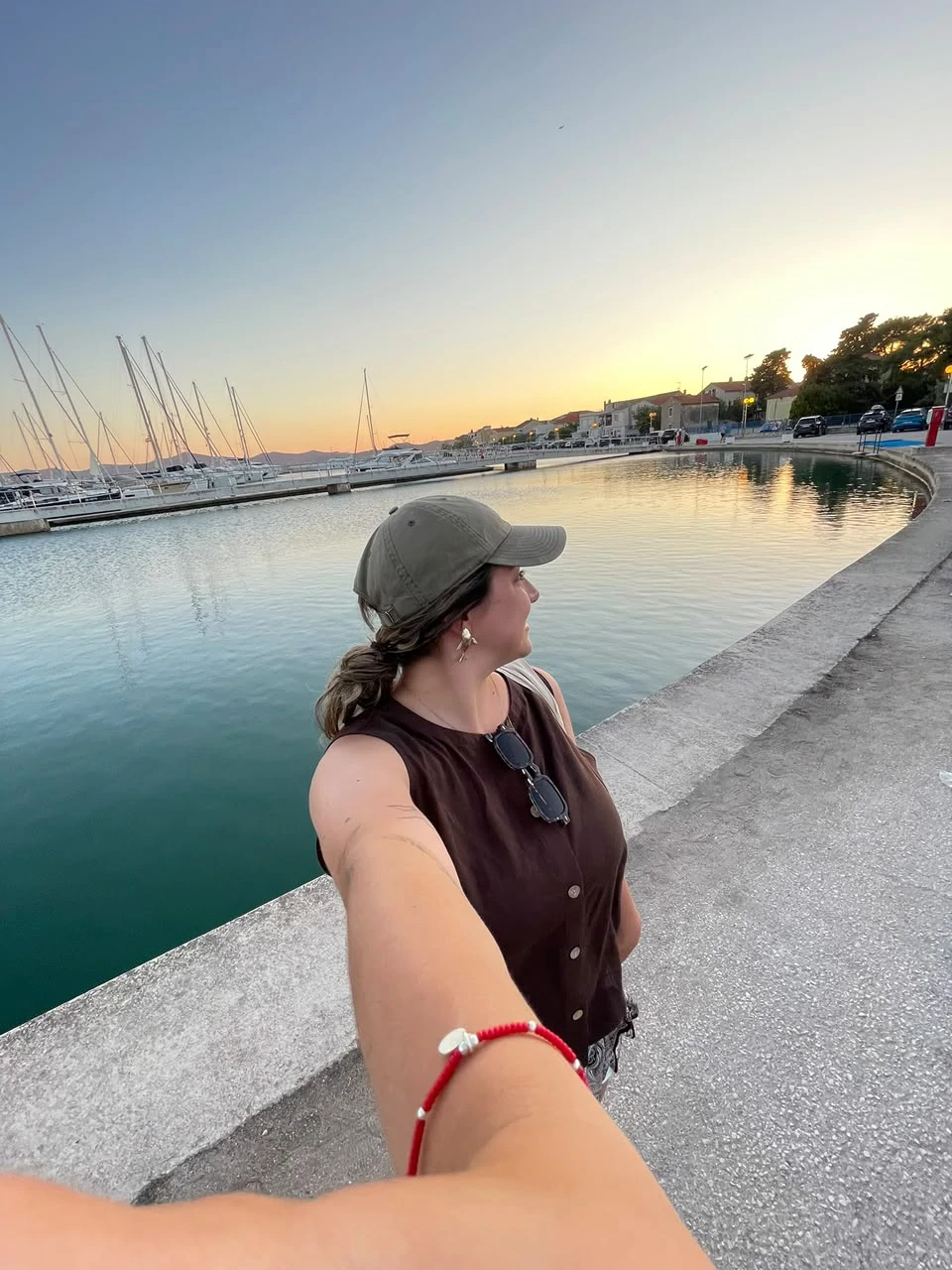
Valeria in Zagreb
Foto: Valeria Salgado / VOC
Vijesti HRT-a pratite na svojim pametnim telefonima i tabletima putem aplikacija za iOS i Android. Pratite nas i na društvenim mrežama Facebook, Twitter, Instagram, TikTok i YouTube!


Autorska prava - HRT © Hrvatska radiotelevizija.
Sva prava pridržana.
hrt.hr nije odgovoran za sadržaje eksternih izvora