
After decades of waiting and worshipping in makeshift spaces, Croatian Catholics in Drvar have finally dedicated their new parish church of St. Joseph.
19:33 / 17.10.2026.
Author: Slavica Štefić
After decades of waiting, Croatian Catholics in Drvar dedicate new church

Author:
Slavica Štefić
Published:
October 17, 2026, 19:33
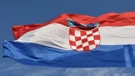
Predsjednik Vlade na svečanosti posvećenja Župne crkve u Drvaru
Foto: - / Hina
The ceremony brought together around 500 worshippers and was attended by Croatian Prime Minister Andrej Plenković, who reaffirmed Croatia’s support for preserving the identity of Croats in Bosnia and Herzegovina.
The new church stands as a symbol of faith, perseverance and unity for a community whose history has been marked by severe suffering and repeated interruptions to religious life.
After Years of Waiting, Believers’ Wish Comes True
The dedication ceremony was led by Banja Luka Bishop Željko Majić and coincided with the 120th anniversary of the founding of the Drvar parish and the 30th anniversary of the revival of church life after the last war in Bosnia and Herzegovina.
The occasion held special significance for the local Croatian Catholic community. After years of praying in makeshift spaces and overcoming numerous obstacles, believers finally have a church of their own.
“After so many hardships, attempts and efforts, we have finally reached this day — the dedication of the new parish church of St. Joseph in Drvar. The Church is not defined by numbers; it does not live by numbers, but by faith. There are indeed few believers here, but this is a living Church,” Bishop Majić said.
Plenković: Croatia Will Continue to Support Croats in BiH
Prime Minister Andrej Plenković emphasized the importance of preserving the Croatian Catholic identity in the Drvar area and reaffirmed the Croatian Government’s continued support.
“We are pleased that, as a government, we have contributed to co-financing this important project through the Central State Office for Croats Abroad,” Plenković said.
He stressed that the Catholic Church had played a vital role in preserving the identity and survival of the Croatian people in the area for centuries. He also expressed hope that the new church would become a place of gathering, unity, peace and coexistence.
Borjana Krišto, Chairwoman of the Council of Ministers of Bosnia and Herzegovina, also attended the ceremony and thanked the Croatian Government for its support for Croats in the country.
Plenković was accompanied by Deputy Prime Minister and Minister of Croatian Veterans’ Affairs Tomo Medved, Minister of Labour, Pension System, Family and Social Policy Alen Ružić, and Zvonko Milas, State Secretary at the Central State Office for Croats Abroad.
A History of Suffering: More Than 650 Catholics Killed
The history of the Croatian Catholic community in Drvar has been marked by repeated persecution and interruptions to religious life.
According to the Diocese of Banja Luka, more than 650 Catholics, mostly Croats and civilians, were killed in July 1941 in the parishes of Drvar, Bosansko Grahovo and Krnjeuša.
Among the victims were three parish priests: Waldemar Maksimilijan Nestor in Drvar, Juraj Gospodnetić in Bosansko Grahovo and Krešimir Barišić in Krnjeuša. Three seminarians were also killed alongside Barišić.
Drvar parish priest Nestor was killed while travelling by train from Knin to Drvar, along with other believers, in an attack by Serbian rebels later known as Chetniks.
The Catholic church built in the 1930s was demolished in 1949.
The new church will also serve as a memorial to the victims of the wars in the area. Its altar contains relics of Blessed Miroslav Bulešić, an Istrian priest who was killed in 1947.
Croatian Catholic Presence Dates Back More Than a Thousand Years
The Catholic presence in the Drvar area predates the establishment of the present-day parish by centuries.
According to parish priest Davor Klečina, an archaeological fragment from a medieval Catholic church, featuring the characteristic interlaced motifs of old Croatian stonework, dates back to the ninth century.
The parish of St. Joseph was established in 1906, during a period of rapid industrial development in Drvar. Bavarian entrepreneur Otto von Steinbeis developed the local timber industry, and the expansion of sawmills and narrow-gauge railways attracted workers from across Austria-Hungary, including many Catholics.
Following the Ottoman conquest, the Croatian Catholic population in the area nearly disappeared. Resettlement took place during Austro-Hungarian rule.
Displaced Croats Revived Religious Life but Waited Decades for a Church
After the last war in Bosnia and Herzegovina, Croats displaced from 48 municipalities, mostly in central Bosnia, arrived in Drvar in 1996. Their arrival marked the revival of Catholic religious life, but the community had no church of its own.
For years, Masses were celebrated in makeshift venues, including the former Sokolski Dom, later known as Dom Partizan.
Efforts to build a church were prolonged by difficulties in securing land and permits, as well as disputes over court decisions and restrictions imposed by local authorities.
Construction finally began in 2021.
A New Church Symbolizes Survival and Hope
For Croats who remained in Drvar, raised families and continued to preserve their faith and identity, the dedication of the church represents far more than a religious ceremony.
It marks the culmination of decades of waiting, honours those who lost their lives and offers hope for the future of the local Croatian community.
Bishop Majić thanked the institutions that had supported the project, stressing the importance of encouraging local residents and ensuring they do not feel forgotten.
The new Church of St. Joseph will serve as a permanent place of worship and gathering, as well as a lasting testament to the Croatian Catholic presence in Drvar.
After decades of waiting and a history marked by suffering and destruction, the community now has a church where its faith, history and traditions can be passed on to future generations.
Vijesti HRT-a pratite na svojim pametnim telefonima i tabletima putem aplikacija za iOS i Android. Pratite nas i na društvenim mrežama Facebook, Twitter, Instagram, TikTok i YouTube!




Autorska prava - HRT © Hrvatska radiotelevizija.
Sva prava pridržana.
hrt.hr nije odgovoran za sadržaje eksternih izvora